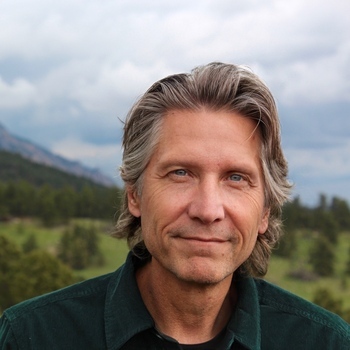
André Neitzel, LCSW
Introduction
I genuinely believe that reaching out for therapy is an act of courage, and I don’t lose sight of that. People come in with different histories, questions, and ways of making sense of what they’re going through, and the work can look different depending on what’s needed. Some concerns respond well to a more focused, short-term approach, while others have deeper roots that take time and space to unfold. My goal is to offer a place where you feel genuinely heard and supported as we sort through what’s happening in your life, at your pace. My style is conversational, and sessions tend to feel natural and grounded rather than rigid or clinical. I may use metaphors when they help bring something into clearer focus, and I try to create a space where things feel a little less heavy, even when the emotions are difficult. I listen closely and ask questions that move us beyond the surface and toward what’s shaping your experience, paying attention to patterns in how you relate to yourself, to others, and what seems to repeat. Bringing those patterns into clearer view allows you to decide what direction feels right for you. Over the years, I’ve worked with adults navigating depression, anxiety, relationship strain, life transitions, health concerns, grief, as well as longstanding patterns rooted in earlier experiences. Across this range, a common thread is how often people feel disconnected from themselves or unsure of where they belong. As a first-generation American, I stay mindful of how culture and context can shape that sense of disconnection, including feelings of isolation or being pulled between different worlds. At the core, this work is about helping people reconnect with strengths they thought were lost, or recognize parts of themselves that are still there, whether that happens quickly or unfolds more gradually over time.
Highlights
- Accepting new clients
- Available on nights
- Offers free consultation
- Telehealth appointments
- Accepts online payments and insurance
Licenses
-
LCSW #09923739 (CO)
-
LCSW #CSW.09923739 (CO)
Specialties
Additional focus areas
Treatment Approaches
Population focus
Appointment types
- Individuals
Communities
-
First Generation Americans
-
First Responders
-
Therapists & Mental Health Professionals
-
Artists and Creative Professionals
Age groups
-
Adults (24+)
-
Elders (65+)
Languages
-
English
Free intro call available
Pay with insurance
-
Aetna
-
Cigna Healthcare
-
UnitedHealthcare
-
Anthem
-
Blue Cross Blue Shield
-
Kaiser Permanente
Pay out-of-pocket
-
Fee Description (if private pay)) $175
Locations
Professional Information
Education
-
Master's Degree, Clinical Social Work - University of Denver
Certifications
-
Certified Dementia Practitioner (CDP)
FAQ