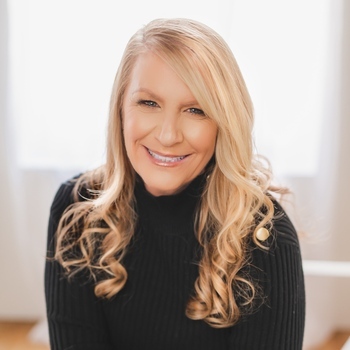
Brenda Cochran
Introduction
I have over 23 years experience working exclusively with issues related to women, using a trauma-focused perspective. My approach is integrative: I provide a “whole-person” therapeutic approach engaging and transforming the whole person, taking into account spiritual, emotional, physical and social factors in your treatment. I work in the present, the future and will address the past when we both are ready. I am trauma sensitive, I am a survivor of trauma and deeply understand the dynamic that comes with the decision to heal from current and past traumatic experiences. My priority is creating safety and rapport. I listen and we decide together the most appropriate path for healing. Please visit my website at www.zoeintegratedhealth.com to explore the variety of services I provide.
Highlights
- Accepting new clients
- Offers free consultation
- In-person & telehealth appointments
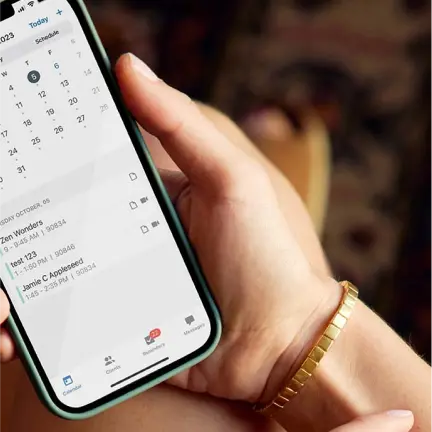
- Accepts online payments and insurance
Licenses
-
LCSW #11933 (AZ)
Specialties
Additional focus areas
Treatment Approaches
Population focus
Appointment types
- Individuals
Communities
-
Military/Veterans
-
Christian
Age groups
-
Young Adults (18-24)
-
Adults (24+)
-
Elders (65+)
Faiths
-
Christian
Free intro call available
Pay with insurance
-
Aetna
-
Cigna
-
United Healthcare Oxford
-
United Healthcare
-
Optum
-
Oscar
Pay out-of-pocket
Locations
FAQ