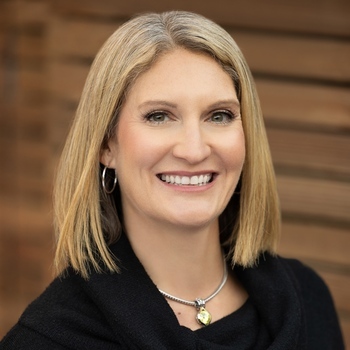
Dr. Gail Lisson, PsyD
Introduction
Dr. Lisson is a licensed doctoral-level psychologist — bringing advanced clinical training, rigorous assessment skills, and a deep commitment to evidence-based practice to every session. She has been in private practice in NC for over 15 years. Her education, training, & faculty appointments include: Bachelor of Arts- Villanova University, Villanova PA Bachelor of Science in Business Administration- Villanova University, Villanova PA Master of Science in Mental Health Counseling- Suffolk University, Boston MA Doctor of Psychology- Chicago School of Professional Psychology, Chicago IL Masters Practicum- McLean Hospital, Boston MA Internship- North Florida/ South Georgia Veterans Health System, Gainesville FL Post-doctoral Fellowship- University of Florida Health Science Center, Gainesville FL Visiting Assistant Professor- University of Floriday Health Science Center, Gainesville FL Assistant Professor- Psychology- University of Guam, Mangilao Guam *NC Psychology License #: 3456 *Authority to Practice Interjurisdictional Telepsychology Authorization (APIT) # 13590 for residents of Psypact states (https://psypact.gov/mpage/psypactmap) ____________________ Treatment for Insomnia- Dr. Lisson offers Cognitive Behavioral Treatment-Insomnia. CBT-I is the gold-standard, first-line treatment recommended by sleep medicine specialists, the American Academy of Sleep Medicine, and the American College of Physicians. Unlike sleep aids, which manage symptoms temporarily, CBT-I addresses aspects of sleep regulation, as well as the thoughts and behaviors that perpetuate insomnia. People who complete CBT-I report: * Falling asleep faster and waking less during the night *Feeling more rested without relying on medication *Reduced anxiety about sleep — often one of the most debilitating parts of insomnia *Improvements that hold up over months and years, not just days _________________ Treatment for Anxiety Dr. Lisson utilizes both Cognitive Behavioral Therapy (CBT) and Existential Therapy to treat anxiety. CBT for anxiety focuses on identifying unhelpful thought patterns and behaviors that keep anxiety going, then uses practical tools and gradual exposure to help clients better control their anxiety and fears. It's a structured, goal-oriented, and typically shorter-term treatment. Existential therapy views some anxiety as a natural response to life's larger questions — mortality, freedom, meaning, and connection. Clients explore the direction of their anxiety and build a more authentic, values-driven life. Many clients benefit from a blend of both approaches: practical tools for immediate relief, alongside deeper exploration of what truly matters to them.
Highlights
- Accepting new clients
- In-person & telehealth appointments
- Accepts online payments and insurance
Licenses
-
Licensed Psychologist #3456 (NC)
Specialties
Treatment Approaches
Population focus
Appointment types
- Individuals
Age groups
-
Young Adults (18-24)
-
Adults (24+)
-
Elders (65+)
Languages
-
English
Pay with insurance
-
Blue Cross Blue Shield
-
Medicare
-
UnitedHealthcare
-
Aetna
-
Cigna Healthcare
Pay out-of-pocket
-
45-minute psychotherapy session $130
-
60-minute psychotherapy session $165
-
30-minute psychotherapy session $85
-
Initial Consultation-90 minutes $200
Locations
FAQ