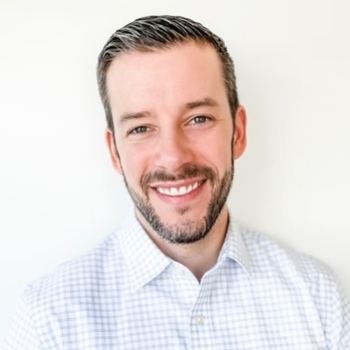
Jason Reynolds, PsyD
Introduction
I was drawn to this approach by questions that other therapeutic models didn't address well: why insight rarely produces change on its own, and why people continue repeating patterns they can clearly identify. Those questions still organize how I think clinically. Sessions are open-ended. We follow what's most present in the room: what's recurring in your relationships, what you find difficult to articulate, what keeps pulling your attention even when you'd rather not look at it. Change that comes from this kind of work tends to be durable because it's grounded in genuine understanding rather than in learned strategies for managing difficult states. This approach tends to suit people who have already spent time working on themselves, whether through reading, reflection, or previous therapy, and found that understanding the pattern hasn't translated into changing it. Many function well professionally and socially while carrying something privately that doesn't match that picture: a persistent unease, difficulty in close relationships, or a sense of going through the motions.
Highlights
- Accepting new clients
- Available on nights
- Offers free consultation
- In-person & telehealth appointments
- Accepts insurance
Licenses
-
Psy. D. #PSY27649 (CA)
-
Psy. D. #071010461 (IL)
Specialties
Treatment Approaches
Population focus
Appointment types
- Individuals
Age groups
-
Young Adults (18-24)
-
Adults (24+)
-
Elders (65+)
Free intro call available
Pay with insurance
-
Blue Cross Blue Shield
-
United Healthcare
Pay out-of-pocket
-
Individual Therapy $200
Locations
Professional Information
Education
-
Doctoral Degree, Clinical Psychology - Adler University
Certifications
-
Psychoanalytic Psychotherapy
FAQ