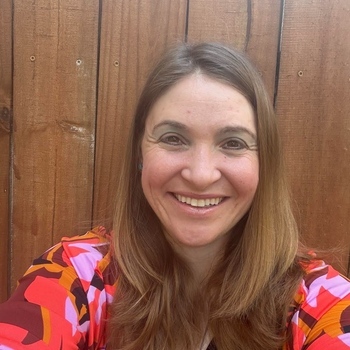
Jennifer Bloom
Introduction
Therapy for Thrivers of Adverse and Relational Trauma I work with Thrivers — people whose lives have been shaped by adverse and relational trauma, and who learned how to endure, adapt, and stay connected in environments where safety, consistency, or emotional attunement were limited or absent. Many of the Thrivers I support have experienced childhood trauma, complex PTSD, family conflict, narcissistic abuse, and sexual, physical, or verbal abuse. This may include growing up in emotionally unpredictable families, being in relationships marked by control, gaslighting, or chronic invalidation, or living within dynamics where your needs were minimized or overshadowed. Some Thrivers are still in these relationships. Others are questioning them, grieving them, or finding their way out. All of these places are welcome here. These experiences often shape the nervous system in quiet, enduring ways. You may have learned to stay alert, to read the room, to doubt your own perceptions, or to carry responsibility that was never meant to be yours. You may feel capable and composed on the outside while feeling unsure, disconnected, or deeply tired inside. These patterns are not flaws — they are intelligent adaptations to environments that required you to prioritize survival over self-expression. Therapy with me is grounded in deep compassion, steadiness, and respect for your lived experience. I understand that chronic relational trauma — including narcissistic dynamics — can slowly erode self-trust, distort boundaries, and leave you feeling unsure of what is real, safe, or allowed. Our work is not about forcing insight or revisiting pain before you are ready. It is about creating enough internal and relational safety for your system to soften, orient to the present, and begin to feel choice again. Together, we move at a pace your nervous system can tolerate. We honor both the strength that carried you through and the parts of you that may still feel guarded, ashamed, confused, or unseen. Over time, therapy can help you reconnect with your body, your emotions, and your inner knowing — allowing clarity, self-trust, and a deeper sense of grounding to emerge naturally. You do not need to justify your pain or explain why it was “bad enough.” If something in you learned to stay small, stay vigilant, or stay responsible in order to maintain safety or connection, that experience deserves gentleness and understanding. Healing is not about becoming someone new — it is about coming home to yourself. My practice is focused on trauma recovery and emotional healing—I don’t work with children, couples, families, or parenting issues. I also don’t provide counseling for gender or sexual identity, bipolar disorder, life transitions, career or college-related concerns, or issues involving sexual intimacy or kink. This allows me to stay deeply grounded in the work I do best: helping those impacted by trauma process and integrate its effects in a way that honors their story and nervous system.
Highlights
- Accepting new clients
- Available on nights
- In-person & telehealth appointments
- Accepts online payments and insurance
Licenses
-
LCSW #SW14630 (FL)
-
LMSW #6801106618 (MI)
-
LICSW #I.1700473 (FL)
Specialties
Treatment Approaches
Population focus
Appointment types
- Individuals
Communities
-
Lesbian, Gay, & Bisexual
-
Military/Veterans
-
HIV/AIDS
Age groups
-
Adults (24+)
-
Elders (65+)
Languages
-
English
Faiths
-
Jewish
Pay with insurance
-
United Healthcare
-
Aetna
-
TRICARE East
Pay out-of-pocket
Locations
Professional Information
Certifications
-
Brainspotting Phase 1 and 2
FAQ