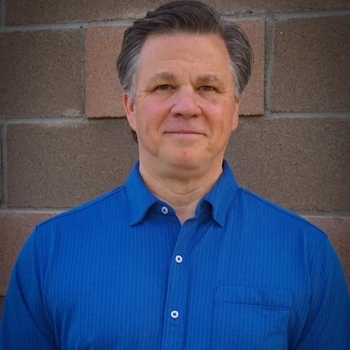
John Tobin
Introduction
Before becoming a counselor, I spent much of my career in the same kinds of professions I now work with. I’m a veteran of the United States Army, where I was an AH-64 Apache Helicopter Pilot/Maintenance Test Pilot. After my military service, I became a first responder and retired after 26 years in the fire service as a Fire Captain. During that time, I also worked as a paramedic in both pre-hospital and hospital settings, responding to emergencies and caring for patients in high-pressure environments, as well as an Alarm Room Captain, the on-duty supervisor for the fire department’s Dispatch Center. I am very familiar with how calls affect dispatchers. Those experiences shape how I approach therapy today. I understand the culture of service professions, the expectations that come with the job, and how experiences on duty can affect both life outside of work and performance on the job You don’t have to carry everything on your own. Schedule a free 15-minute consultation with me to discuss what brings you to counseling and determine whether working together may be a good fit. Deciding to start therapy isn’t always easy, particularly for people in professions where you’re used to handling things on your own. First responders, veterans, and medical professionals are often the people others depend on during difficult moments. You’re trained to stay calm, think clearly under pressure, and move forward even after challenging situations. But over time, the experiences that come with that work can begin to affect other parts of life. Sleep becomes harder, stress sticks around longer than it used to, and certain calls, incidents, or memories come back when things get quiet. Sometimes the impact shows up at home or on the job. When people first reach out, many of them aren’t sure exactly what they need. They know something doesn’t feel quite right anymore. That’s where the process begins. Therapy with me is practical, collaborative, and grounded in real-world experience. Sessions often involve talking through the experiences that have been difficult to carry on your own. We also work on ways to reduce stress, improve sleep, and help your mind and body recover from the constant “on alert” state that many people in high-stress professions develop. For some people, the work focuses on processing specific incidents, whereas for others, it focuses on the cumulative impact of years of demanding work. It’s often not one call, one shift, or one incident – it’s the accumulation of many experiences over time. Over time, many clients begin to notice changes: Sleep becomes more consistent. They feel less on edge. They’re able to be more present with family and friends. And often, they begin to feel steadier and more confident both in their personal lives and on the job.
Highlights
- Accepting new clients
- Available on nights
- Offers free consultation
- In-person & telehealth appointments
- Accepts online payments and insurance
Licenses
-
LAC #LAC-23974 (AZ)
Specialties
Additional focus areas
Treatment Approaches
Population focus
Appointment types
- Individuals
Communities
-
Military/Veterans
-
First Responders
-
Medical Professionals
Age groups
-
Young Adults (18-24)
-
Adults (24+)
-
Elders (65+)
Languages
-
English
Free intro call available
Pay with insurance
-
Aetna
Pay out-of-pocket
-
Per session $140
Locations
Professional Information
Education
-
Master's Degree, Mental Health Counseling - Grand Canyon University
Certifications
-
EMDR
-
Trauma
-
National Certified Counselor (NCC)
Professional Affiliations
-
American Counseling Association (ACA)
-
International Association for Resilience and Trauma Counseling
FAQ