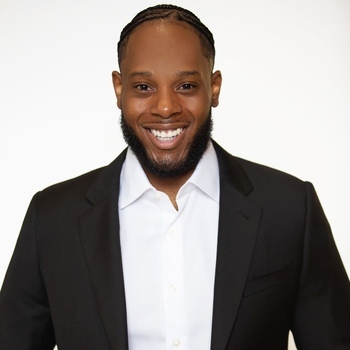
Khalil Scott
Introduction
Khalil Scott is a mental health practitioner and the Founder & CEO of Humanity United for Equity (HUE), a nonprofit organization committed to dismantling barriers to care and advancing health equity for all. With both lived and professional experience, Khalil brings an authentic, trauma-informed approach to mental health that bridges clinical expertise with real-world understanding. Khalil’s work is deeply shaped by his own life experiences navigating trauma, grief, systemic inequities, and the long-term impact of unmet mental health needs. These lived experiences, alongside his professional training, allow him to connect with individuals and communities often overlooked by traditional healthcare systems—meeting people where they are, without judgment. Through HUE, Khalil addresses mental health through the lens of social determinants of health, recognizing how factors such as housing instability, financial stress, access to healthcare, education, discrimination, and community safety directly impact mental and emotional well-being. His work emphasizes that healing cannot exist in isolation from the environments people are forced to survive in. As a practitioner and leader, Khalil is known for creating culturally responsive, inclusive spaces—particularly for marginalized communities, faith-impacted individuals, and LGBTQ+ populations—where healing, accountability, and hope can coexist. His mission is clear: health equity starts here, and it begins by honoring both the science and the stories behind mental health. Khalil also has extensive experience working with individuals from the Christian community, particularly those navigating religious trauma, faith-related identity conflict, and the psychological impact of church-based harm. While Khalil does not identify as a Christian, he believes in God, is spiritual, and is called to serve as a pastor of pastors, providing care that is respectful, informed, and supportive of clients who hold Christian beliefs, as well as those who do not identify with Christianity or any spiritual or religious belief system. His practice is inclusive of clients across belief spectrums, including those who are non-religious, spiritual-but-not-religious, or questioning faith altogether. Additionally, Khalil has a strong commitment to serving the LGBTQ+ community, including individuals living with the compounded effects of stigma, identity-based trauma, religious harm, systemic oppression, and mental health challenges. His work centers affirmation, autonomy, and safety, particularly for those whose identities have been marginalized within families, faith spaces, and healthcare systems.
Highlights
- Accepting new clients
- Available on nights & weekends
- Offers free consultation
- In-person & telehealth appointments
- Accepts online payments and insurance
Specialties
Additional focus areas
Treatment Approaches
Population focus
Appointment types
- Individuals
- Couples
- Families
- Groups
- Classes
- Coaching
Communities
-
Racial Justice/Equity
-
HIV/AIDS
-
LGBTQIA+
-
Vegetarian/Vegan
Age groups
-
Young Adults (18-24)
-
Adults (24+)
-
Elders (65+)
Languages
-
English
Free intro call available
Pay with insurance
-
Ambetter
-
Aetna
-
BlueCross and BlueShield
-
Cigna
-
First Health
-
Magellan
Pay out-of-pocket
-
Individual Counseling $65 - $125
-
Life Coaching $65
-
Reach (Case Management) $20 - $125
Locations
Professional Information
Education
-
Bachelor's Degree, Psychology - Cleveland State University
-
Master's Degree, Business - Cleveland State University
-
Master's Degree, Clinical Psychology - Cleveland State University
Certifications
-
Grief
-
Motivational Interviewing
-
Trauma
Professional Affiliations
-
American Mental Health Counselors Association (AMHCA)
FAQ