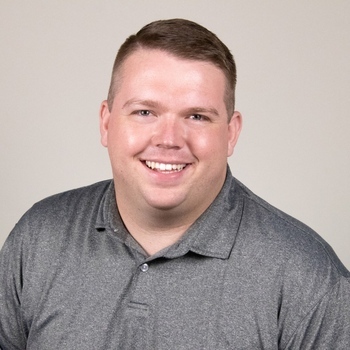
Matt Carlisle
Introduction
Therapist, husband, dad of two, hobbyist, and founder of Key Moments Counseling. My path into therapy wasn’t a straight line. I originally planned to become an engineer before realizing I was far more passionate about people than numbers. During a two-year religious mission, I discovered how meaningful it was to support others through difficult experiences and important life transitions, which ultimately led me to pursue a career in therapy. I earned my Bachelor of Science in Human Development and Family Studies from Utah State University and later completed my Master of Arts in Marriage and Family Therapy through Touro University Worldwide. Before becoming a therapist, I worked as a Registered Behavior Technician (RBT) supporting children diagnosed with autism and their families. I also worked as a caseworker with Division of Child and Family Services, where I gained valuable insight into family systems, parenting challenges, and relationships. Those experiences continue to shape the way I approach therapy today with compassion, curiosity, and practicality. I specialize in working with individuals, couples, and families navigating ADHD, autism, executive functioning challenges, anxiety, parenting stress, and relationship difficulties. My approach to therapy is collaborative, practical, and genuine. I want therapy to feel like a place where you can actually be yourself and work toward meaningful change. My work is influenced by Structural Family Therapy, Internal Family Systems (IFS), Motivational Interviewing, CBT, DBT, and Gottman-informed couples therapy. Rather than taking a one-size-fits-all approach, I tailor therapy to each person and family’s unique needs and goals. One thing that’s especially important to me is the role hobbies and interests play in mental health. I believe the things we naturally enjoy, whether that’s video games, board games, music, sports, or cooking, can tell us a lot about how we connect, cope, and grow. The name Key Moments Counseling comes from an idea Dr. Russell Barkley describes as the “point of performance.” Often, people already know what they want to do, but struggle to make that choice in the moment it matters most. Those key moments can look like starting the task you’ve been putting off, slowing down before reacting, responding differently during conflict, reaching out instead of isolating, or connecting more intentionally with the people you care about. My goal is to help you create more choice and confidence in those moments because meaningful change often happens through small decisions repeated over time. Outside of therapy, I love spending time with my wife and children, playing and watching sports, writing and playing music, cooking, board games, and learning new skills. I’m honored to be part of people’s journeys and would love the opportunity to support you in yours.
Highlights
- Accepting new clients
- Available on nights
- Offers free consultation
- Telehealth appointments
- Accepts insurance
Licenses
-
LMFT #13968523-3902 (UT)
Specialties
Additional focus areas
Treatment Approaches
Population focus
Appointment types
- Individuals
- Couples
- Families
- Coaching
Communities
-
People with Disabilities
-
Military/Veterans
Age groups
-
Children (6-12)
-
Teenagers (12-18)
-
Young Adults (18-24)
-
Adults (24+)
Languages
-
English
Faiths
-
Latter-day Saints/Mormon
Free intro call available
Pay with insurance
-
SelectHealth
Pay out-of-pocket
-
Phone Consultation (15 min) $0
-
Intake (50 min) $175
-
Ongoing Sessions (50 min) $150
Locations
Professional Information
Education
-
Master's Degree, Marriage and Family Therapy - Touro University Worldwide
FAQ