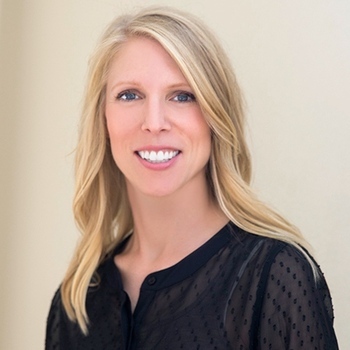
Melissa Smothers, Ph.D.
Introduction
I've spent my career in the rooms where people do the hardest work of their lives — community mental health centers, university counseling offices, hospitals, and a veterans hospital among them. That range of settings has shaped how I practice today: I've sat with adolescents figuring out who they are, adults untangling long-standing patterns, and couples trying to find their way back to each other. I've also worked extensively with trauma survivors, a population I consider it a privilege to serve. My clients bring a wide range of concerns — relationship difficulties, depression, anxiety, grief, trauma, adjustment struggles, and issues specific to men's and women's experiences. I also have advanced training in emotion-focused couples therapy, for partners who want more than surface-level communication tools. For fifteen years, I taught in the M.S. in Counseling program at Mount Mary University as an Associate Professor, training the next generation of clinicians while continuing to see clients in private practice. I'm credentialed by the National Register of Health Service Psychologists and stay active in state and national psychological and counseling associations. I approach therapy with the belief that the individual is more than the difficulties they are currently experiencing. I evaluate what my clients want out of therapy, what meaning they make of their current difficulties, and how these concerns show up in their lives. I work in a collaborative, strength-based way with the people I see. I understand the pull toward immediate relief — that's often what brings someone to therapy in the first place — but I also bring an openness to exploring what contributed to these difficulties taking root. My approach is predominately psychodynamic, drawing on relational, family systems, and gender-sensitive frameworks. I pay close attention to early familial experiences and to how central relationships are to a person's sense of self — I believe our earliest relationships teach us who we are in the world, and that the relationship between client and therapist can itself become a place where old difficulties get resolved.
Highlights
- Accepting new clients
- Available on nights
- Offers free consultation
- In-person & telehealth appointments
- Accepts online payments and insurance
Licenses
-
Ph. D. #3039-57 (WI)
Specialties
Additional focus areas
Treatment Approaches
Population focus
Appointment types
- Individuals
- Couples
- Coaching
Communities
-
Military/Veterans
-
Lesbian, Gay, & Bisexual
Age groups
-
Young Adults (18-24)
-
Adults (24+)
-
Elders (65+)
Free intro call available
Pay with insurance
-
Anthem Blue Cross Blue Shield
-
Blue Shield
-
Network Health Plan of Wisconsin Inc.
-
Medicare
-
Out of Network
Pay out-of-pocket
-
One Hour Individual Session $190 - $200
-
Couples Counseling $200 - $225
Locations
Professional Information
Education
-
Post-doctoral Fellowship, Counseling Psychology - Edith Nourse Rogers Memorial Veterans Hospital
-
Doctoral Degree, Counseling Psychology - University of Wisconsin-Milwaukee
-
Psychology Internship, Counseling Psychology - University of Wisconsin-Madison
-
Master's Degree, Mental Health Counseling - Boston College
FAQ