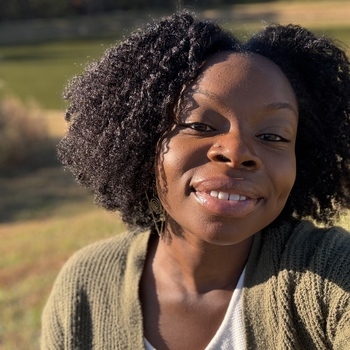
Miranda Johnson, MSW, LCSWA
Introduction
Miranda Johnson believes healing begins in the spaces where people finally feel seen, heard, and valued. Inspired by the lotus, the flower that rises from the muddiest water and blooms anyway, she carries into every session the conviction that growth often emerges from adversity, not in spite of it. As an Outpatient Therapist, she works with individuals and families navigating trauma, grief, life transitions, anxiety, depression, and the tender questions of identity and relationships. Her clinical focus reaches into the places people most often have to walk alone: childhood trauma, intergenerational trauma, and complex PTSD, and she sits with clients moving through every kind of loss, the loss of a person, yes, and also the quieter losses of a relationship, a career, a season of health, or the version of life they once imagined. Miranda came to therapy by way of the front lines. She spent her early career in social work, in Healthy Start case management, at Family Services of the Piedmont, and in programs preventing child abuse and neglect, walking alongside families navigating housing and food insecurity, domestic violence, and crises that no one in the room was being given permission to name as mental health. She saw the gap that programs alone could not close. People were being asked to pull themselves up by their bootstraps while their inner lives went unattended, and the perinatal and postpartum mothers she worked with were carrying mood and identity shifts that no one had taught them to recognize. So she returned for her Master of Social Work through the joint program of the University of North Carolina at Greensboro and North Carolina A&T State University, with one quiet mission underneath the credential, to help rewrite a system that had been asking too much of people and offering too little back. She knows this work is hers by design, and she knows what it feels like to be of service to it. Her approach is trauma-informed, culturally responsive, and strength-based, integrating evidence-based practices with each client's lived experience and values. She holds a particular love for the work of supporting Black and Brown women, especially through pregnancy, postpartum, and the deeper inheritance of generational patterns families carry without ever choosing to. In her room, multiple things can be true at the same time. People do not have to agree. Discomfort is welcome. What Miranda wants for every client is the same thing she works to protect for herself: the right to trust themselves again, and to remember that the hardest thing they are showing right now does not define who they are or who they are still becoming. Healing, in her view, is collaborative work, and the goal is never just one person. It is families, generations, and communities learning together how to move forward without sweeping anything under the rug.
Highlights
- Accepting new clients
- Offers free consultation
- In-person & telehealth appointments
- Accepts insurance
Specialties
Treatment Approaches
Population focus
Appointment types
- Individuals
- Groups
Age groups
-
Young Adults (18-24)
-
Adults (24+)
-
Elders (65+)
Free intro call available
Pay with insurance
-
Alliance Health
-
Viva Health Plan
-
Trillium
Pay out-of-pocket
Locations
FAQ