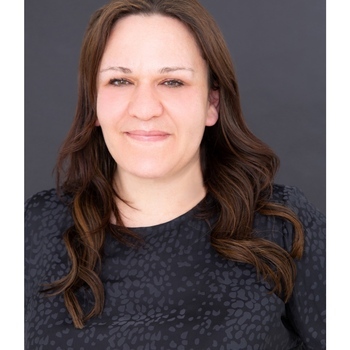
Sara Liebert
Introduction
Dr. Sara Liebert is a licensed clinical and forensic psychologist based in New York City who maintains a mixed forensic and clinical practice. She provides evaluation, consultation, and expert testimony services across a range of civil and criminal forensic matters, integrating evidence-based assessment with a nuanced understanding of psychological functioning within legal contexts. In her clinical practice, Dr. Liebert provides evidence-based individual and group psychotherapy to children, adolescents, and adults. She specializes in the treatment of trauma-related disorders, mood and anxiety disorders, personality pathology, adjustment difficulties, and behavioral dysregulation. Dr. Liebert is trained in Dialectical Behavior Therapy (DBT), Trauma-Focused Cognitive Behavioral Therapy (TF-CBT), and Eye Movement Desensitization and Reprocessing (EMDR), and incorporates these evidence-based approaches into treatment based on each patient’s individual needs and goals. Her therapeutic style is collaborative, structured, and tailored to promote meaningful and lasting change. Dr. Liebert also conducts comprehensive psychological and psychoeducational evaluations to assist with diagnostic clarification and treatment planning. Her assessment services address concerns related to intellectual functioning, learning disorders, Attention-Deficit/Hyperactivity Disorder (ADHD), emotional functioning, and personality dynamics. Dr. Liebert is a professor in the Department of Applied Psychology at New York University, where she teaches a variety of graduate courses. Dr. Liebert remains actively engaged in forensic education and scholarship, with invited presentations and conference contributions in areas including psychosexual risk assessment, trauma-informed forensic practice, juvenile competence, and risk evaluation. Her work is guided by ethical principles, objectivity, and a commitment to providing reliable psychological evidence in legal contexts. Dr. Liebert has extensive experience working across a wide range of settings, including hospitals, schools, community mental health centers, correctional facilities, court clinics, and private practice. This diverse background informs her understanding of how psychological concerns emerge across different environments and life circumstances, as well as how systems such as healthcare, education, and the legal system shape an individual’s experience. As a result, her evaluations and clinical work are grounded in real-world context, carefully tailored to the referral question, and responsive to both individual needs and institutional demands. For clients, this translates into thoughtful, informed care; for attorneys and courts, it provides clear, well-reasoned opinions that reflect a nuanced understanding of the settings in which individuals live and function.
Highlights
- Accepting new clients
- Available on nights & weekends
- Offers free consultation
- In-person & telehealth appointments
Specialties
Additional focus areas
Treatment Approaches
Population focus
Appointment types
- Individuals
- Groups
- Coaching
Age groups
-
Teenagers (12-18)
-
Young Adults (18-24)
-
Adults (24+)
Free intro call available
Pay with insurance
Looking for practitioners who accept insurance?
Pay out-of-pocket
Locations
FAQ