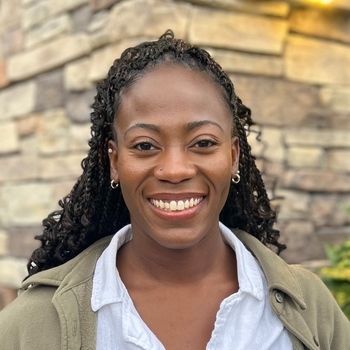
Shatarra DeVose - Founder and Licensed Mental Health Counselor
Introduction
So many neurodivergent women and mixed neurotype couples & families repeat this during our initial call. They're overwhelmed, burned out, and exhausted. They silently and shamefully wonder if Autism, ADHD, or other types of neurodivergence is impacting their relationships, communication, and emotional connections. They want change, but it feels too foggy and out of reach. If this sounds like you, you've come to the right place! I'm here to help you gain deeper understanding around your patterns, improve your relationships, and experience the change you want. _____________ ABOUT ME __________________ I provide counseling for neurodivergent women, couples, and families who are tired of ending their day with an anxious replay of earlier encounters. I created It Takes Two Counseling because I realized that we all have blindspots that leave us feeling misunderstood, confused around how to fix our own behaviors, and deeply hurt by the responses of others. I believe change happens when two things happen: 1. We encounter attentive and understanding people. 2. We experience safe and affirming environments. This combination encourages us to stop performing, authentically show up, and push shame and resentment aside. _____________ SERVICES __________________ -> NEURODIVERGENT WOMEN'S COUNSELING Many neurodivergent women carry a quiet exhaustion — anxiety, people-pleasing, perfectionism, and chronic self-doubt. Things can easily get complicated as they receive a late diagnosis, self-identify with the possibility of a diagnosis, or are in the beginning stages of exploring. Together we work on: • Reducing overwhelm and emotional shutdown • Untangling people-pleasing and perfectionism • Understanding late diagnosis or self-identification • Building confidence and authenticity • Healing relational trauma and attachment wounds • Navigating value transitions and identity shifts • Better understanding personal capacity and coping needs -> NEURODIVERSE COUPLES COUNSELING In mixed-neurotype and neurodiverse relationships, partners often care deeply yet feel stuck in painful cycles that breed resentment, bitterness, and emotional disconnection. We focus on: • Communication differences related to neurological differences • Emotional disconnection and conflict cycles • Sensory and intimacy differences • Rebuilding trust after betrayal • Strengthening attachment and emotional safety -> NEURODIVERSE FAMILY COUNSELING In mixed-neurotype and neurodiverse families, members often love one another deeply yet feel overwhelmed by misunderstandings, emotional outbursts, or ongoing tension. Support includes: • Bridging understanding in adult parent-child dynamics • Reducing shame and blame • Enhancing emotional regulation skills • Strengthening connection across neurotypes • Building healthier relational patterns -> ANXIETY, TRAUMA, AND IDENTITY SUPPORT It's not uncommon for neurodivergent individuals to also carry unprocessed trauma, relational wounds, or identity confusion that quietly shape their lives due to years of trauma events, chronic invalidation, and identity suppression. Together we will: Strengthen emotional regulation • Heal attachment injuries • Process and integrate trauma • Build an authentic sense of self • Reduce anxiety, chronic stress, and PTSD symptoms • Clarify identity, values, and beliefs • Improve self-esteem and confidence • Learn tools to manage stressors _____________ MY APPROACH __________________ Counseling with me is warm, collaborative, practical, and evidence-based. My work is grounded in Emotionally Focused Therapy (EFT), Cognitive Behavioral Therapy (CBT), and Family Systems. However, I make it a priority to tailor therapeutic approaches to your unique neurotype and goals. While I often use EFT, CBT, and Family Systems approaches, I integrate multicultural perspectives and other approaches to ensure I am honoring the whole person. _____________ What You Can Expect __________________ During the first few sessions we will: • Gather information about your experiences • Explore key relationship dynamics, recurring patterns, and negative cycles •Identify your values, strengths, and core beliefs that reinforce patterns of shame • Consider your neurological make up • Assess current coping skills, strategies, and behaviors • Identify and review goals • Create a care plan that supports your needs Our work will also include in-session activities, skill-building tools, and homework based on insights from session. Over time, you will have new insights into your patterns and learn new skills that help change your behaviors & relationships. If you’re ready to break painful cycles and build stronger, more secure relationships — with others and with yourself — I’m here for you.
Highlights
- Accepting new clients
- Available on nights
- Offers free consultation
- Telehealth appointments
- Accepts online payments
Licenses
-
LMHCA #MC61592868 (WA)
Specialties
Additional focus areas
Treatment Approaches
Population focus
Appointment types
- Individuals
- Couples
- Families
Communities
-
Multicultural/Ethnic Communities
-
Survivors of Childhood Abuse
-
Neurodivergent Community
-
Racial Justice/Equity
Age groups
-
Young Adults (18-24)
-
Adults (24+)
-
Elders (65+)
Languages
-
English
Faiths
-
Christian
Free intro call available
Pay with insurance
Looking for practitioners who accept insurance?
Pay out-of-pocket
-
Individual Psychotherapy $165
-
Couples Psychotherapy $200
-
Family Psychotherapy $200
Locations
Professional Information
Education
-
Master's Degree, Clinical Mental Health Counselor - Northwest University
-
Bachelor's Degree, Gender, Women, and Sexuality Study - University of WA
Professional Affiliations
-
American Counseling Association (ACA)
-
Washington Mental Health Counselors Association (WMHCA)
FAQ