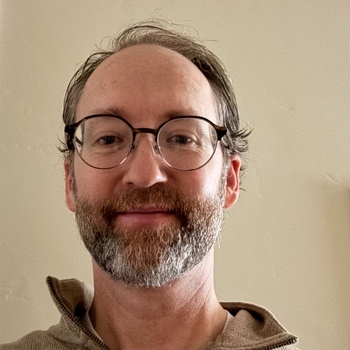
Tyler Hoyt
Introduction
I am Tyler Hoyt. I am a Licensed Marriage and Family Therapist with two decades experience working with couples, children, families, and individuals in therapy, mostly under the context of problematic relationship dynamics. I am not native to Utah but moved here with my family in 2017--we are making this our home. I have specialized in treatment of couples, utilizing Emotionally Focused Couple's Therapy (EFT) and especially The Gottman Method. I have also specialized in the treatment of children almost always utilizing family therapy models so parents can be a part of their children's healing and growth as attachment figures; I especially utilize Filial Play Therapy and PCIT as models of treatment but draw upon many family therapy models. I am experienced and find joy working with adoptive/blended families, with persons dealing with trauma, grief, faith issues, anxiety, and depression. My ideal clientele is a balance of couples, children/family therapy cases, and individual adults/teens. I like doing some of many things instead of just one thing. Routinely I will work with an individual of a family/couple subsystem, or can do just individual therapy. Often I have clients come in for one reason, parenting problems or individual anxiety, or marital issues, for example, and sometimes we determine together that another focus in therapy could be more helpful and transition into that. Even in individual work I try to focus on healthy relating and in relationship therapy I try to help the individuals attune to their own beliefs and wants and needs. I believe that in order to belong to those we most love and want to belong to, we have to belong to ourselves. I do side sessions of individual therapy as a part of couple and family therapy, often. I believe the literature and my experience which indicates that focus on spirituality fosters mental health—those who reject this do less well than those who have an active faith or spiritual practice. Those clients who I most see growth and healing in/from are those who are actively connecting with their own spirituality while they engage in therapy. I want to foster this but not make these decisions for others. I see one of my primary roles in therapy is to help my clients connect with themselves, their supports, their community, and their chosen Higher Power. When these balances are done well this, I believe, often is where the ideal growth and purpose is found. We are our best selves when we are best with others; we are best with others when we are courageous and true to our own personal values. I do not see my role as that of a teacher but as a guide.
Highlights
- Accepting new clients
- Available on nights
- Offers free consultation
- In-person & telehealth appointments
- Accepts online payments and insurance
Licenses
-
LMFT # 10471242-3902 (UT)
Specialties
Additional focus areas
Treatment Approaches
Population focus
Appointment types
- Individuals
- Couples
- Families
- Coaching
Communities
-
Military/Veterans
-
People with Disabilities
-
Feminism
-
Vegetarian/Vegan
Age groups
-
Toddlers (under 6)
-
Children (6-12)
-
Teenagers (12-18)
-
Young Adults (18-24)
-
Adults (24+)
-
Elders (65+)
Languages
-
English
Faiths
-
Agnostic
-
Atheist
-
Buddhist
-
Catholic
-
Christian
-
Interfaith
-
Islam
-
Jehovah's Witnesses
-
Jewish
-
Latter-day Saints/Mormon
-
Multi-Faith
-
Taoist
Free intro call available
Pay with insurance
-
DMBA
-
EMI
-
PEHP
-
Select Health
Pay out-of-pocket
Locations
FAQ